
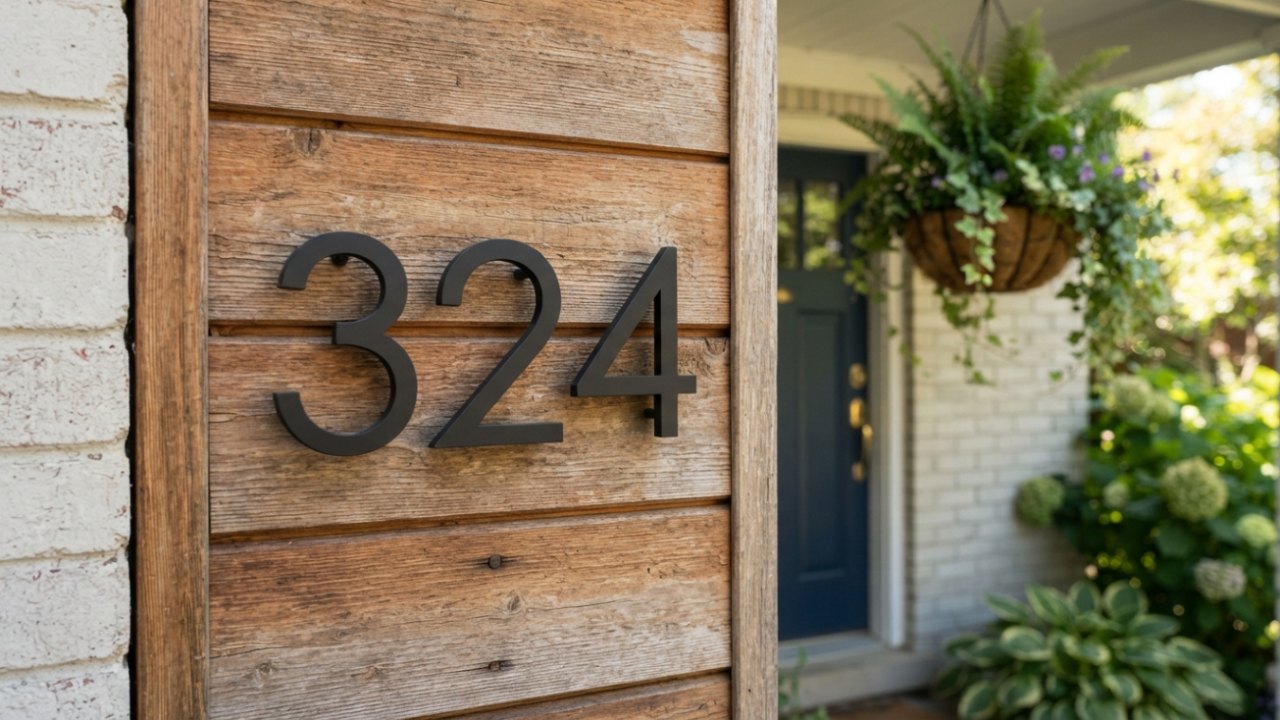
The best House Address Number Signs are easy to see, simple to read and built for local weather. They help guests, delivery drivers and emergency crews find a property without delay. They can also improve curb appeal and give a home, rental unit or managed property a more complete look.
SignWorks helps property owners, contractors and real estate professionals plan signs that balance style with clear communication. Before choosing colours or fonts, focus on viewing distance, contrast, placement and outdoor durability.
House Address Number Signs Must Be Clear Before They Are fcomDecorative
A beautiful address marker has little value if drivers cannot read it from the road. Effective House Address Number Signs use clear numbers, strong contrast,t and a location that is not blocked by vehicles, trees, es or snow.
The best design should answer four questions:
- Can people see it from the normal approach?
- Can they read it without stopping?
- Is it visible after dark?
- Will it remain clear during winter?
This applies to private homes, rental properties, offices, construction projects, and multi-unit sites. Good house number signs reduce confusion and create a better first impression.
What Size Should House Numbers Be?
There is no single size for every property. The right number height depends on how far the sign is from the road, how fast vehicles pass, and where the sign is installed.
Small numbers may work beside a front door when the home sits close to the sidewalk. A house set far back from the road may need larger numbers on a post or driveway marker.
When planning House Address Number Signs, consider:
- Distance from the road
- Viewing angle
- Number of address digits
- Font thickness
- Mounting height
- Street lighting
- Snow depth
- Nearby landscaping
Thin or highly decorative numbers are harder to read. Simple fonts with open shapes usually perform better.
Make House Numbers Visible From Street Level
To keep house numbers visible, check the sign from a driver’s point of view. Walk or drive past the property from both directions. Look for trees, parked vehicles, fences, shadows,s and porch columns that may block the numbers.
Light numbers need a dark background. Dark numbers need a light background. Strong contrast often matters more than the colour itself.
For example, black numbers on a white aluminum panel are easy to read. White reflective numbers on a dark blue background can work well near a rural road.
Choose Materials That Can Handle Northern Weather
Outdoor signs face rain, snow, sunlight, wind and large changes in temperature. Low-grade materials may fade, crack, warp or loosen over time.
Quality House Address Number Signs should use materials and mounting hardware suited to the location. The sign face, finish, adhesive and fasteners all affect its working life.
Metal House Number Signs Offer Strength and Clean Style
Metal number signs are popular because they are durable and fit many building styles. Aluminum is often a practical choice because it is lightweight and does not rust like untreated steel.
Powder-coated aluminum can provide:
- Strong weather resistance
- A clean, finished look
- Custom colour options
- Low maintenance
- Good support for vinyl or printed graphics
Cut metal and dimensional lettering can create a more architectural result. These options work well for homes, offices, apartment buildings and commercial entrances.
Compare Acrylic, Aluminum and Vinyl
Acrylic provides a modern appearance and can be used for layered or dimensional designs. It works best when the material thickness, mounting method and level of weather exposure are carefully planned.
Aluminum is a strong choice for outdoor house number signs, roadside markers and post-mounted panels. Vinyl graphics can be applied to aluminum or other stable surfaces to add colour, reflective details or custom layouts.
Professional sign fabrication helps ensure that materials work together. The wrong adhesive or surface preparation can shorten the life of an otherwise good sign.
Look for Truly Weatherproof Address Signs
The term weatherproof address signs should mean more than a waterproof print. A durable sign also needs:
- UV-resistant inks or films
- Outdoor-grade vinyl
- Sealed or coated surfaces
- Corrosion-resistant fasteners
- Stable posts or wall mounts
- Materials suited to freezing temperatures
A sign near a road may also face salt, gravel, dirt, and snowplow spray. These conditions should guide material selection.
Smart Placement Makes an Address Easier to Find
Understanding where to place house numbers is just as important as choosing the design. The main address should be visible from the usual route of approach.
Common placements include:
- Beside the front door
- Above or beside the garage
- On a mailbox
- On a driveway post
- At a fence entrance
- On a freestanding address panel
Do not rely only on numbers near the door when a home is far from the road. In that case, install one sign near the driveway and another near the building.
Driveway Address Signs for Long or Shared Entrances
Driveway address signs are useful when a property sits back from the road or shares an entrance with another building. A sign may include the civic number, an arrow, or a unit name when needed.
The sign should face approaching traffic. On some properties, a double-sided design offers better visibility from both directions.
Install the marker high enough to stay above expected snowbanks. Keep it far enough from the road to reduce the risk of damage, but close enough to remain easy to see.
Rural Address Signs Need Extra Visibility
Rural address signs often need larger numbers and stronger night visibility. Long driveways, limited street lighting, and winter conditions can make standard door-mounted numbers ineffective.
For rural properties, consider:
- Two-sided roadside signs
- Reflective numbers
- High-contrast backgrounds
- Raised post installation
- Directional arrows
- A second sign near the building
These choices can help visitors and service crews locate the correct entrance sooner.
Improve Night Visibility With Reflective or Illuminated Options
Address visibility should not disappear after sunset. Reflective house number signs use available light from headlights or flashlights. They do not need a power source and can work well near roads and driveways.
Reflective materials perform best when the sign faces approaching traffic. The surface must also remain clean enough to reflect light.
Illuminated house number signs use LED lighting, backlighting or an external fixture. They remain visible without headlights and can add a premium architectural feature to an entrance.
When choosing between them, consider access to power, installation cost, maintenance and the amount of natural light around the property.
Match the Sign Style to the Property
Well-designed House Address Number Signs should feel connected to the building. The shape, finish and lettering can match nearby doors, trim, railings or exterior fixtures.
Modern house number signs often use clean fonts, simple layouts and materials such as black aluminum, brushed metal or acrylic. Traditional properties may suit framed plaques, warmer finishes or classic lettering.
Keep the design simple. A sign does not need several fonts, colours and decorative elements. The civic number should always be the first thing people notice.
Address signs for houses can also include a street name or family name, but these details should remain smaller than the main number.
Plan the Design, Budget and Installation Before Ordering
Professional House Address Number Signs start with accurate site information. Take clear photos of the building and the approach from the road. Measure the mounting area and estimate the viewing distance.
The cost can change based on:
- Sign dimensions
- Material and finish
- Reflective film
- Dimensional lettering
- LED lighting
- Custom fabrication
- Post or wall installation
- Electrical work
- Site access
Simple plaques may be produced quickly once artwork is approved. Fabricated, illuminated or post-mounted signs may need more planning.
A typical process includes consultation, design, proof approval, fabrication and sign installation. Never approve production until the number, spelling, colours and dimensions have been checked.
Do Address Signs Need a Permit?
Small wall-mounted plaques may not require a sign permit in many locations. Larger freestanding, illuminated or structural signs may be covered by municipal, strata or property-development rules.
Requirements vary. Confirm local rules before fabrication, especially when electrical work, posts, property lines or shared buildings are involved.
Custom Business Signs: From Clear Addresses to Stronger Branding
The same principles used for House Address Number Signs also apply to custom business signs. Customers need to identify a property, understand where to enter and move through the site without confusion.
A complete signage plan may include storefront signs, channel letters, monument signs, pylon signs, lobby signs and wayfinding systems. Interior signs, wall graphics, window decals and vinyl graphics can then carry the brand through the customer journey.
Custom business signs help organizations:
- Improve retail visibility
- Attract customer foot traffic.
- Build brand recognition
- Guide visitors
- Support promotions
- Create a professional first impression.
For example, a property manager may use dimensional lettering at the main entrance, directional signs in the parking area, and suite numbers inside the building. A retailer may combine illuminated signage with window graphics. A contractor may need exterior signs, safety information and temporary wayfinding.
Vehicle wraps and fleet graphics can extend the same commercial branding beyond the property. When colours, typefaces and materials stay consistent, each sign becomes part of a wider branded environment.
SignWorks supports projects from early sign design through fabrication and installation. This joined-up process helps avoid mismatched colours, unclear layouts and installation problems.
Maintain Visibility After Installation
Even well-made House Address Number Signs need occasional care. Inspect the sign after winter and remove dirt that may reduce contrast or reflection.
Check for:
- Loose fasteners
- Faded vinyl
- Cracked acrylic
- Rust around hardware
- Damaged posts
- Failed LED lighting
- Plants blocking the numbers
Clean signs using products that are safe for the selected finish. Strong solvents or rough tools can damage printed graphics, acrylic, and protective coatings.
Replace the sign when fading, damage, or landscaping makes it hard to read. Clear identification should always come before keeping an old sign in place.
Local Sign Guidance for Fort St. John and Northern BC
Property conditions can differ across Fort St. John, Charlie Lake, Dawson Creek, Fort Nelson, Prince George, and nearby communities. Road distance, snow, wind, and limited night lighting can all affect sign design.
People searching for custom address signs in Fort St. John should choose a provider that understands local weather and installation conditions. Custom house address signs can be sized for the actual property rather than selected from a fixed template.
SignWorks can review the viewing distance, surface, material, and mounting location before recommending a practical solution. This helps create House Address Number Signs that look professional and remain useful for years. Need help choosing the right address sign? Contact SignWorks today to discuss your design, material, visibility, and installation needs.
Frequently Asked Questions
What is the best material for house address number signs?
Aluminum is often the most practical choice. It is lightweight, rust-resistant,nt and suitable for printing, vinyl graphics, and reflective numbers. Acrylic and dimensional metal can provide a more decorative look.
How large should address numbers be?
The numbers should be large enough to read from the normal viewing distance. Properties far from the road need larger numbers than homes near a sidewalk.
Where is the best place to install an address sign?
Choose a location visible from the road and the normal direction of approach. Long driveways may need one sign near the road and another near the home.
Are reflective or illuminated address signs better?
Reflective signs are simple and do not need power. Illuminated signs remain visible without headlights. The best option depends on the site, budget,t and available lighting.
How much do custom address signs cost?
Cost depends on size, material, design, lighting, mounting, and installation. Photos and measurements help a sign company prepare an accurate quote.
How long does sign fabrication take?
A basic plaque may have a shorter production time than a fabricated or illuminated sign. Final timing depends on design approval, materials,s and installation needs.
Can address signs be installed on brick or siding?
Yes, but each surface needs the right fasteners, spacing, and installation method. Professional installation reduces the risk of surface damage or a loose sign.
What makes an outdoor address sign easy to read?
Large numbers, simple fonts, strong contrast, a clear viewing angle, and good night visibility make House Address Number Signs easier to identify.
